How Maryborough Weather Impacts Your Exterior Paintwork
@troynouy860
November 22, 2026 · 3 min read
Maryborough’s strong sunshine, humid summers and heavy rainfall put exterior paintwork under constant pressure. In Maryborough, Queensland, a durable finish depends on more than colour selection: surface preparation, moisture control and suitable painting conditions all play important roles. Understanding these local weather challenges helps you protect your home and avoid premature repainting.

Strong Sunlight Causes Fading and Surface Breakdown
Ultraviolet radiation gradually breaks down paint binders and pigments, leading to fading, chalking and reduced protection. North-facing and west-facing walls often receive greater sun exposure, while dark colours generally absorb more heat than lighter shades.
Choose a quality exterior coating suitable for the surface and Queensland conditions. Lighter colours can help reduce surface temperatures, but colour alone does not determine durability. Correct preparation and the manufacturer’s recommended coating thickness are essential.
Humidity Encourages Mould and Slows Drying
Maryborough’s humid conditions can keep shaded walls, verandahs and areas behind vegetation damp. This encourages mould and algae, particularly where airflow is limited. Painting over contaminated surfaces does not solve the problem and can compromise adhesion.
Before repainting, clean affected areas with a treatment appropriate for the substrate and follow its safety directions. Rinse where required and allow surfaces to dry thoroughly. Trim vegetation away from https://lorenzoqasg272.talesignal.com/posts/why-more-pressure-is-not-always-better-for-tough-stains walls and investigate leaking gutters, plumbing or persistent dampness before applying paint.

Heavy Rain Tests Your Home’s Protective Coating
Wind-driven rain can enter through cracked paint, failed sealant and unprotected timber joints. Repeated wetting and drying makes timber expand and contract, placing stress on the coating. Blistering, peeling or bubbling may indicate moisture beneath the paint rather than simply an ageing finish.
After heavy rain, inspect exposed walls, window frames, fascia boards and lower weatherboards. Repair the source of water entry before repainting. If floodwater affects your property, arrange an appropriate assessment and cleaning process, then confirm that materials are sufficiently dry before coating them.
Choosing the Right Weather for Exterior Painting
Milder, less humid periods often provide better painting opportunities, but the daily forecast matters more than the calendar. Check Bureau of Meteorology forecasts and follow the paint manufacturer’s limits for temperature, humidity, rain exposure and recoating.
- Check surface temperature: sunlit walls can be much hotter than the surrounding air.
- Allow for dew: avoid coating damp surfaces or painting so late that dew forms before the finish is ready.
- Confirm substrate dryness: use a suitable moisture meter where appropriate, particularly after prolonged rain.
- Respect drying times: touch-dry paint is not necessarily ready for another coat or exposure to rain.
Maintain Your Paintwork Before Damage Spreads
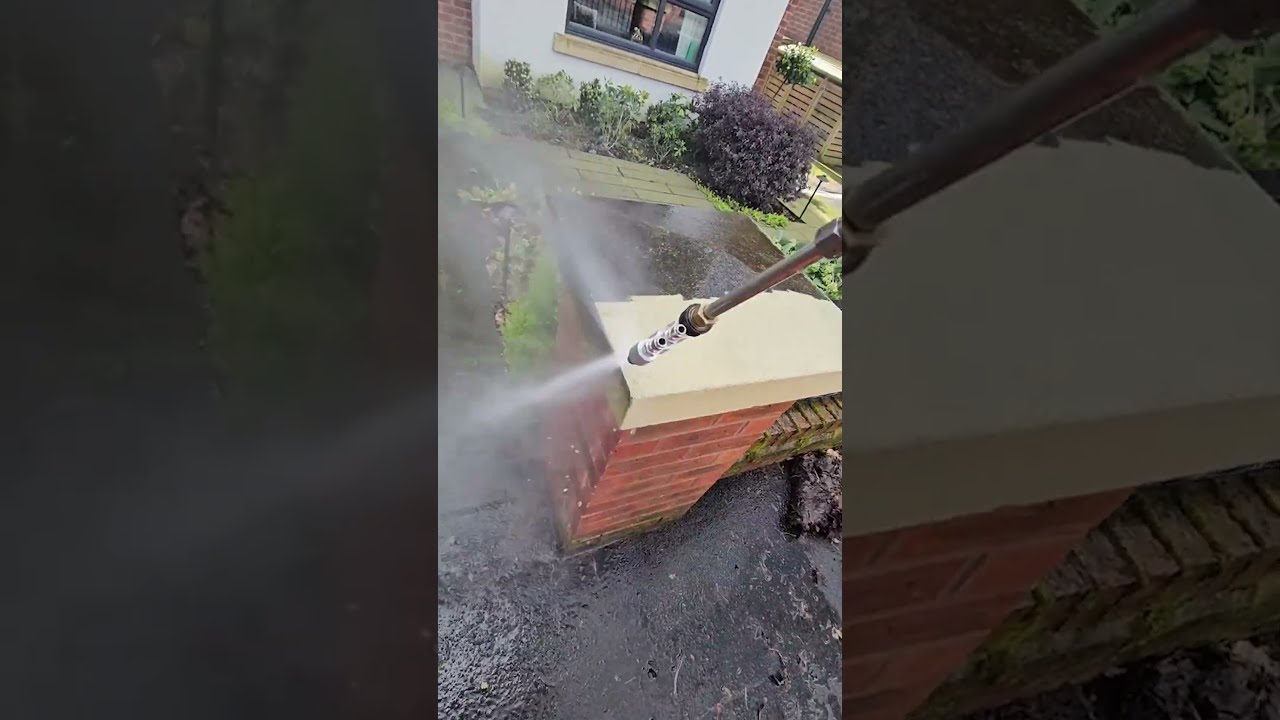
Inspect exterior coatings at least annually and after severe weather. Look for chalky residue, open joints, flaking edges and exposed timber. Gently clean surfaces using methods recommended by the coating manufacturer; aggressive pressure washing can damage paint and force water into gaps.
Early maintenance is usually less disruptive than repairing widespread coating failure. A local painting professional can assess moisture issues, identify the existing surface and recommend a preparation and coating system suited to Maryborough’s climate.
Maryborough Pressure Cleaning
(07) 4120 7141